Buy 顎.com ?
We are moving the project
顎.com .
Are you interested in purchasing the domain
顎.com ?
domain@kv-gmbh.de · 0541-91531010
Buy 顎.com ?
What are compulsive disorders, obsessive thoughts, and compulsive actions?
Compulsive disorders are mental health conditions characterized by the presence of obsessive thoughts and compulsive actions. Obsessive thoughts are persistent, intrusive, and unwanted thoughts that cause distress or anxiety. Compulsive actions are repetitive behaviors or rituals that a person feels driven to perform in response to their obsessive thoughts, in order to alleviate the anxiety or distress. These disorders can significantly interfere with daily functioning and can be difficult to control without professional help. **
What is the difference between compulsive tidying and compulsive thinking?
Compulsive tidying is a behavior characterized by an overwhelming urge to constantly clean and organize one's surroundings, often to the point of excess. On the other hand, compulsive thinking involves persistent, intrusive thoughts that are difficult to control and can lead to anxiety or distress. While compulsive tidying is focused on physical actions and organization, compulsive thinking is centered around mental processes and can be more challenging to manage. Both can be symptoms of underlying mental health conditions, such as obsessive-compulsive disorder, but they manifest in different ways. **

Similar search terms for Compulsive
Top-Angebote
Products related to Compulsive:
-
Atashi Cellular Perfection Skin Sublime Therapy Lifting-Firmness Facial, Chin and Décolleté Cream 50mLA cleansing product for wrinkles and signs of ageing. It a lifting cream enriched with Edelweiss, creatine, and a calming complex that firms, regenerates, and illuminates the face, neck, and décolleté. This luxurious cream enhances firmness, soothes redness, and prevents sagging and photoaging, providing a smooth and comfortable application.35,37 £*Shipping: 5,22 £Secure redirect to the provider
-
StayWell Silicone Mouth Guard For Night Sleep, Dental Bite Tray For Teeth Grinding & Clenching Silicone Mouth Guard For Night Sleep, Dental Bite Tray For Teeth Grinding & ClenchingProtect your teeth while you sleep with this bold, effective 4PCS Silicone Mouth Guard Night Sleep Teeth Clenching Grinding Dental Bite US kit. Designed to help prevent damage from nighttime grinding and jaw clenching, these highquality dental trays...21,97 $*Shipping: 0,00 $Secure redirect to the provider
-
Inspired Finds Heavy Duty Locking Pliers With Fixed Jaw Clamp For Repair Work 7inch Straight MouthGrip, clamp, twist, and hold parts securely with these Locking Pliers made for repair, maintenance, and workshop tasks. The fixed jaw clamp design helps keep materials firmly in place, making it useful for home repairs, auto work, plumbing, and...34,99 $*Shipping: 0,00 $Secure redirect to the provider
-
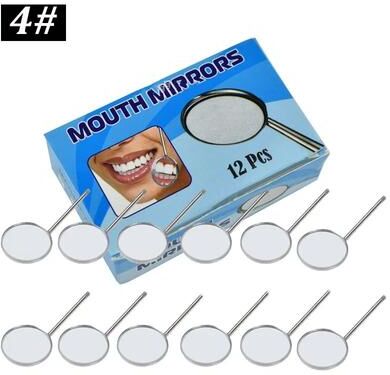
Inspire Essentials Stainless Steel Dental Mouth Mirror Set For Professional Oral Examination 4Achieve precision and clarity in every dental checkup with the dental mouth mirror set designed for accuracy, durability, and professional use. Each stainless steel dental mirror provides a clear, distortionfree reflection, making intraoral...42,48 $*Shipping: 0,00 $Secure redirect to the provider


-
What is compulsive behavior?
Compulsive behavior refers to repetitive actions or rituals that a person feels driven to perform, often in response to an obsessive thought or to alleviate anxiety. These behaviors can interfere with daily life and may be difficult to control, despite the negative consequences they may bring. Compulsive behaviors are often associated with conditions such as obsessive-compulsive disorder (OCD) or addiction. Treatment for compulsive behavior typically involves therapy, medication, and lifestyle changes. **
-
What are compulsive impulses?
Compulsive impulses are strong, uncontrollable urges to engage in certain behaviors, often despite negative consequences. These impulses can be driven by a variety of factors, including anxiety, stress, or a desire for relief or pleasure. People with compulsive impulses may feel a sense of urgency or a lack of control over their actions, and may engage in repetitive behaviors in an attempt to alleviate their distress. Compulsive impulses can be a symptom of various mental health conditions, such as obsessive-compulsive disorder or impulse control disorders. **
-
How can the compulsive urge to laugh about the compulsive thoughts be explained?
The compulsive urge to laugh about compulsive thoughts can be explained as a coping mechanism or defense mechanism. When faced with distressing or intrusive thoughts, some individuals may feel the need to laugh as a way to release tension or to try to minimize the seriousness of the thoughts. This can also be a way to try to distance oneself from the thoughts and to avoid feeling overwhelmed by them. Additionally, laughing about the thoughts may be a way for some individuals to seek reassurance or validation from others, as they may hope that by laughing, others will also find the thoughts less serious or distressing. **
-
What are compulsive self-talks?
Compulsive self-talks are repetitive, negative thoughts or phrases that individuals constantly repeat to themselves. These thoughts are often irrational, self-critical, or destructive in nature, and can lead to feelings of anxiety, depression, or low self-esteem. Compulsive self-talks can be difficult to control and can significantly impact a person's mental well-being and overall quality of life. Therapy, mindfulness techniques, and cognitive-behavioral strategies can be helpful in managing and reducing compulsive self-talks. **


Is this a compulsive behavior?
Yes, the behavior described in the previous message could be considered compulsive. Compulsive behaviors are repetitive actions that a person feels driven to perform, often in response to an obsessive thought or to alleviate anxiety. In this case, the individual is engaging in a behavior (checking the door multiple times) in response to a fear (that the door is not locked), which is a common characteristic of compulsive behavior. If this behavior is interfering with the person's daily life or causing distress, it may be worth seeking help from a mental health professional. **
Is this already compulsive behavior?
Compulsive behavior is typically characterized by a strong, irresistible urge to perform certain actions, often leading to negative consequences. If the behavior in question is causing distress or interfering with daily life, it may be considered compulsive. It's important to seek professional help if you suspect that you or someone else is engaging in compulsive behavior. A mental health professional can provide a proper assessment and guidance for managing and treating compulsive behaviors. **
Top-Angebote
Products related to Compulsive:
-
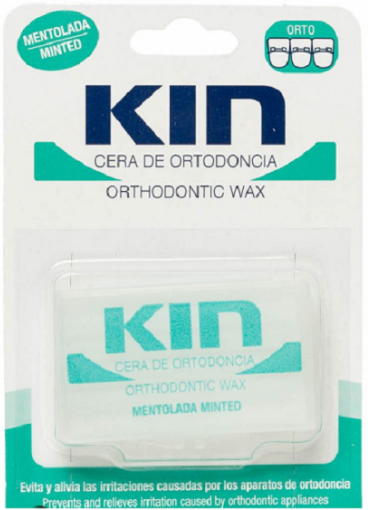
Kin Mentholated wax OrthodonticsHealth and Beauty Oral Care Kin Mentholated wax Orthodontics Mentholated orthodontic wax to prevent the brackets from rubbing the buccal mucose by covering the edges of the appliances and braces. Contains five 4.5 mm x 55 mm wax bars. Guidelines for administration Cut off a piece of the orthodontic wax from the case and apply on the area (wire or bracket) causing the pain. Presentations: 5 barras6,27 £*Shipping: 3,99 £Secure redirect to the provider
-
Rio Face Lift & Tone Facial Toner neck and chin firming device 1 pcRIO Face Lift & Tone Facial Toner, 1 pc, Facial lifting devices for Women, Do you want to change your approach to skin care and add a pleasant massage to your beauty treatment? You don’t have to go to a beauty salon immediately; the RIO Face Lift & Tone Facial Toner massage tool takes care of facial massage as if it were done by a beauty therapist in the comfort of your home. The massage boosts circulation and faster absorption of skincare products, as well as your skin’s vitality and natural beauty. It also helps relieve muscle tension in the face, which contributes, amongst other things, to a reduction in wrinkles and a more youthful appearance of your skin. Enjoy facial massage therapy, improve the appearance of your skin and create a little personal beauty ritual of your own to look forward to every day. Characteristics: helps regenerate skin cells leaves skin smooth and fresh firms the facial contours improves skin quality enhances blood circulation in the skin70,80 £*Shipping: 3,99 £Secure redirect to the provider
-
Atashi Cellular Perfection Skin Sublime Therapy Lifting-Firmness Facial, Chin and Décolleté Cream 50mLA cleansing product for wrinkles and signs of ageing. It a lifting cream enriched with Edelweiss, creatine, and a calming complex that firms, regenerates, and illuminates the face, neck, and décolleté. This luxurious cream enhances firmness, soothes redness, and prevents sagging and photoaging, providing a smooth and comfortable application.35,37 £*Shipping: 5,22 £Secure redirect to the provider
-
StayWell Silicone Mouth Guard For Night Sleep, Dental Bite Tray For Teeth Grinding & Clenching Silicone Mouth Guard For Night Sleep, Dental Bite Tray For Teeth Grinding & ClenchingProtect your teeth while you sleep with this bold, effective 4PCS Silicone Mouth Guard Night Sleep Teeth Clenching Grinding Dental Bite US kit. Designed to help prevent damage from nighttime grinding and jaw clenching, these highquality dental trays...21,97 $*Shipping: 0,00 $Secure redirect to the provider
-
What are compulsive disorders, obsessive thoughts, and compulsive actions?
Compulsive disorders are mental health conditions characterized by the presence of obsessive thoughts and compulsive actions. Obsessive thoughts are persistent, intrusive, and unwanted thoughts that cause distress or anxiety. Compulsive actions are repetitive behaviors or rituals that a person feels driven to perform in response to their obsessive thoughts, in order to alleviate the anxiety or distress. These disorders can significantly interfere with daily functioning and can be difficult to control without professional help. **
-
What is the difference between compulsive tidying and compulsive thinking?
Compulsive tidying is a behavior characterized by an overwhelming urge to constantly clean and organize one's surroundings, often to the point of excess. On the other hand, compulsive thinking involves persistent, intrusive thoughts that are difficult to control and can lead to anxiety or distress. While compulsive tidying is focused on physical actions and organization, compulsive thinking is centered around mental processes and can be more challenging to manage. Both can be symptoms of underlying mental health conditions, such as obsessive-compulsive disorder, but they manifest in different ways. **
-
What is compulsive behavior?
Compulsive behavior refers to repetitive actions or rituals that a person feels driven to perform, often in response to an obsessive thought or to alleviate anxiety. These behaviors can interfere with daily life and may be difficult to control, despite the negative consequences they may bring. Compulsive behaviors are often associated with conditions such as obsessive-compulsive disorder (OCD) or addiction. Treatment for compulsive behavior typically involves therapy, medication, and lifestyle changes. **
-
What are compulsive impulses?
Compulsive impulses are strong, uncontrollable urges to engage in certain behaviors, often despite negative consequences. These impulses can be driven by a variety of factors, including anxiety, stress, or a desire for relief or pleasure. People with compulsive impulses may feel a sense of urgency or a lack of control over their actions, and may engage in repetitive behaviors in an attempt to alleviate their distress. Compulsive impulses can be a symptom of various mental health conditions, such as obsessive-compulsive disorder or impulse control disorders. **
Similar search terms for Compulsive
-
Inspired Finds Heavy Duty Locking Pliers With Fixed Jaw Clamp For Repair Work 7inch Straight MouthGrip, clamp, twist, and hold parts securely with these Locking Pliers made for repair, maintenance, and workshop tasks. The fixed jaw clamp design helps keep materials firmly in place, making it useful for home repairs, auto work, plumbing, and...34,99 $*Shipping: 0,00 $Secure redirect to the provider
-
Inspire Essentials Stainless Steel Dental Mouth Mirror Set For Professional Oral Examination 4Achieve precision and clarity in every dental checkup with the dental mouth mirror set designed for accuracy, durability, and professional use. Each stainless steel dental mirror provides a clear, distortionfree reflection, making intraoral...42,48 $*Shipping: 0,00 $Secure redirect to the provider
-
Inspired Finds Heavy Duty Locking Pliers With Fixed Jaw Clamp For Repair Work 7inch Round MouthGrip, clamp, twist, and hold parts securely with these Locking Pliers made for repair, maintenance, and workshop tasks. The fixed jaw clamp design helps keep materials firmly in place, making it useful for home repairs, auto work, plumbing, and...34,99 $*Shipping: 0,00 $Secure redirect to the provider
-
Inspired Finds Heavy Duty Locking Pliers With Fixed Jaw Clamp For Repair Work 10inch Round MouthGrip, clamp, twist, and hold parts securely with these Locking Pliers made for repair, maintenance, and workshop tasks. The fixed jaw clamp design helps keep materials firmly in place, making it useful for home repairs, auto work, plumbing, and...38,99 $*Shipping: 0,00 $Secure redirect to the provider
-
How can the compulsive urge to laugh about the compulsive thoughts be explained?
The compulsive urge to laugh about compulsive thoughts can be explained as a coping mechanism or defense mechanism. When faced with distressing or intrusive thoughts, some individuals may feel the need to laugh as a way to release tension or to try to minimize the seriousness of the thoughts. This can also be a way to try to distance oneself from the thoughts and to avoid feeling overwhelmed by them. Additionally, laughing about the thoughts may be a way for some individuals to seek reassurance or validation from others, as they may hope that by laughing, others will also find the thoughts less serious or distressing. **
-
What are compulsive self-talks?
Compulsive self-talks are repetitive, negative thoughts or phrases that individuals constantly repeat to themselves. These thoughts are often irrational, self-critical, or destructive in nature, and can lead to feelings of anxiety, depression, or low self-esteem. Compulsive self-talks can be difficult to control and can significantly impact a person's mental well-being and overall quality of life. Therapy, mindfulness techniques, and cognitive-behavioral strategies can be helpful in managing and reducing compulsive self-talks. **
-
Is this a compulsive behavior?
Yes, the behavior described in the previous message could be considered compulsive. Compulsive behaviors are repetitive actions that a person feels driven to perform, often in response to an obsessive thought or to alleviate anxiety. In this case, the individual is engaging in a behavior (checking the door multiple times) in response to a fear (that the door is not locked), which is a common characteristic of compulsive behavior. If this behavior is interfering with the person's daily life or causing distress, it may be worth seeking help from a mental health professional. **
-
Is this already compulsive behavior?
Compulsive behavior is typically characterized by a strong, irresistible urge to perform certain actions, often leading to negative consequences. If the behavior in question is causing distress or interfering with daily life, it may be considered compulsive. It's important to seek professional help if you suspect that you or someone else is engaging in compulsive behavior. A mental health professional can provide a proper assessment and guidance for managing and treating compulsive behaviors. **
* All prices are inclusive of VAT and, if applicable, plus shipping costs. The offer information is based on the details provided by the respective shop and is updated through automated processes. Real-time updates do not occur, so deviations can occur in individual cases. ** Note: Parts of this content were created by AI.