Buy 顎.com ?
We are moving the project
顎.com .
Are you interested in purchasing the domain
顎.com ?
domain@kv-gmbh.de · 0541-91531010
Buy 顎.com ?
How do you read facial expressions in autism?
Individuals with autism may have difficulty reading facial expressions due to challenges in processing social cues and emotions. They may struggle to interpret subtle changes in facial expressions and body language, leading to misunderstandings in social interactions. Some individuals with autism may benefit from explicit teaching and practice in recognizing and understanding facial expressions through social skills training and therapy. It is important to be patient and understanding when communicating with someone with autism, and to use clear and direct language to support their understanding of emotions and social cues. **
How is it possible for me to read facial expressions?
You are able to read facial expressions through a combination of innate biological processes and learned social cues. The human brain is wired to recognize and interpret facial expressions as a way to understand emotions and intentions. Additionally, through socialization and experience, you learn to associate specific facial movements with certain emotions, allowing you to accurately interpret the expressions of others. This ability to read facial expressions is a crucial aspect of human communication and empathy. **

Similar search terms for Read
Top-Angebote
Products related to Read:
-
Must-Read Biographies: Arts & SportsFrida Kahlo, Lin Manuel Miranda, Billie Jean King, Shohei Ohtani... These are just some of the outstanding artists and sports figures whose life stories are sure to captivate students. Engaging short texts detail their diverse backgrounds, the...26,99 $*Shipping: 0,00 $Secure redirect to the provider
-
Must-Read Biographies: Change MakersGreta Thunberg, Sitting Bull, Sojourner Truth, Barack Obama... Students will be fascinated by these people's stories, as well as those of the other notable figures in this set. Engaging short texts detail their diverse backgrounds, the challenges...26,99 $*Shipping: 0,00 $Secure redirect to the provider
-
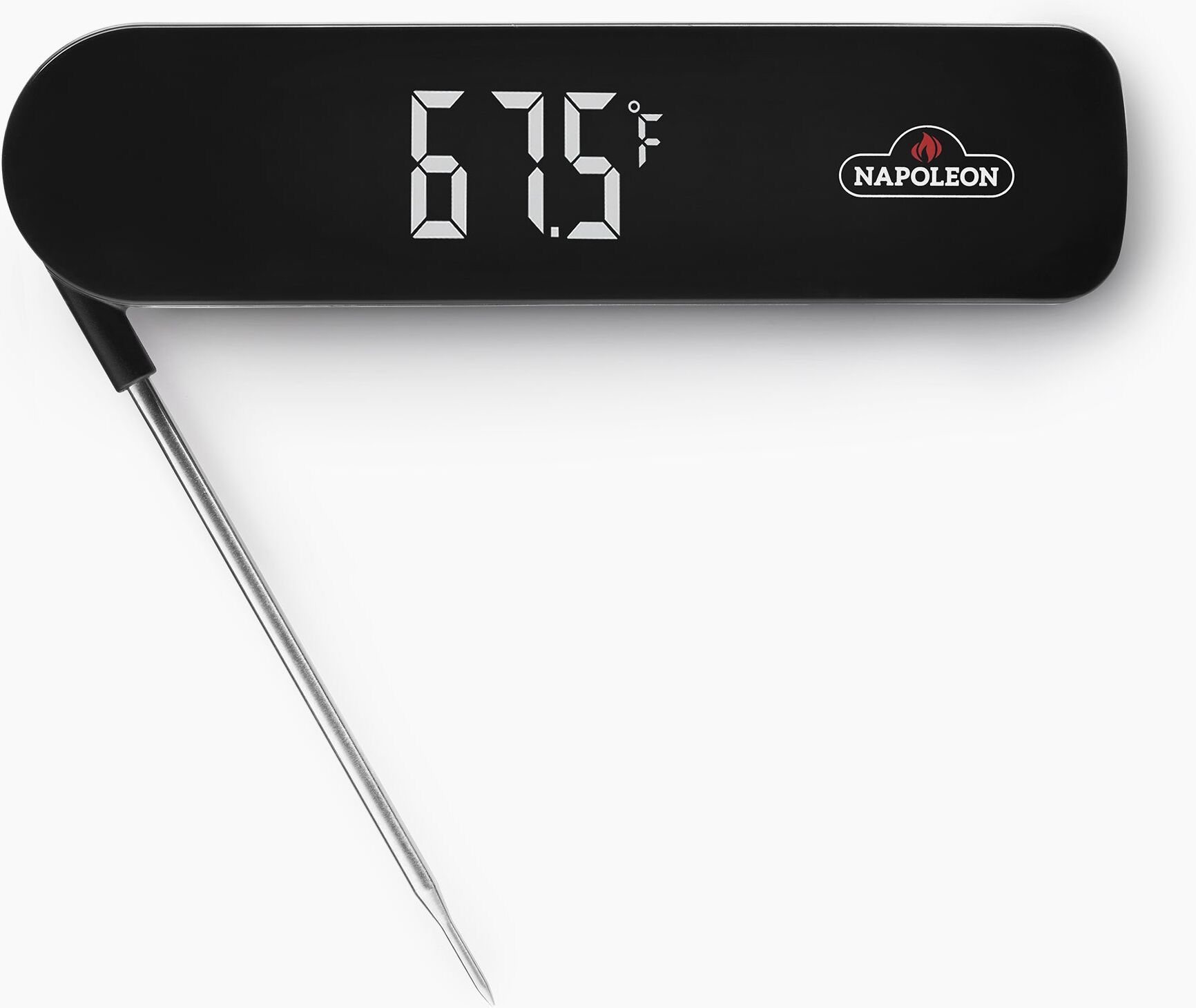
KitchenAid Digital Read Instant ThermometerInstantly read the internal temperature of foods with the KitchenAid Digital Instant Read Thermometer. This feature-packed digital thermometer includes a backlit LCD readout that displays the temperature boldly and clearly. Temperature readings are obtained in less than 6 seconds, while a unique 'hold' feature locks in the last recorded temperature, displaying it on screen after the thermometer is removed from the food. The ultra-thin tip is supplied with handy pocket/storage sleeve to protect the probe during storage. A conversion button swaps between Celsius and Fahrenheit readings with a range of -40 to +250°C (-40 to +482°F). Clean by wiping with a damp cloth and then drying thoroughly. Requires 1x CR2032 (3V) battery (not included). The KitchenAid Digital Instant Read Thermometer is supplied with a 1 year manufacturer's warranty.25,59 £*Shipping: 3,50 £Secure redirect to the provider



-
Where can one learn to read facial expressions and body language?
One can learn to read facial expressions and body language through various means. There are many books and online resources available that provide information and guidance on interpreting nonverbal cues. Additionally, there are workshops, seminars, and courses offered by communication and psychology experts that focus on understanding and interpreting facial expressions and body language. Another way to learn is through observation and practice, by paying attention to people's nonverbal cues in different social settings and practicing the interpretation of these cues. **
-
Is it difficult to train as a dental assistant in orthodontics?
Training as a dental assistant in orthodontics can be challenging due to the specialized nature of orthodontic procedures and techniques. It requires learning how to work with specific orthodontic instruments, understanding various orthodontic treatments, and assisting the orthodontist during procedures. However, with dedication, hands-on experience, and proper training, individuals can become proficient dental assistants in orthodontics. It is essential to seek out a reputable training program or internship to gain the necessary skills and knowledge in this field. **
-
What can I do if I have severe pain in my jaw and chin after getting a dental crown?
If you are experiencing severe pain in your jaw and chin after getting a dental crown, it is important to contact your dentist as soon as possible. This could be a sign of an underlying issue such as an improper fit, nerve damage, or infection. Your dentist will be able to assess the situation and provide appropriate treatment, which may include adjusting the crown, prescribing pain medication, or addressing any underlying dental problems. In the meantime, you can try using over-the-counter pain relievers and applying ice packs to the affected area to help alleviate the discomfort. **
-
Are the mouth, jaw, and nose crooked?
Without a specific context or reference, it is difficult to determine if the mouth, jaw, and nose are crooked. Crookedness in these facial features can be caused by a variety of factors such as genetics, injury, or developmental issues. If someone is concerned about the alignment of their facial features, it is best to consult with a medical professional for an accurate assessment and potential treatment options. **

What causes a receding chin due to a jaw misalignment?
A receding chin due to a jaw misalignment is often caused by a condition known as retrognathia, where the lower jaw is positioned further back than the upper jaw. This misalignment can be the result of genetics, abnormal growth patterns during development, or trauma to the jaw. In some cases, habits like thumb-sucking or prolonged bottle-feeding can also contribute to the development of a receding chin. Treatment options may include orthodontic interventions, jaw surgery, or orthognathic surgery to correct the misalignment and improve the appearance of the chin. **
Do I have a jaw misalignment or a receding chin?
It is important to consult with a healthcare professional, such as a dentist or orthodontist, to accurately diagnose whether you have a jaw misalignment or a receding chin. They will be able to assess your specific symptoms, examine your jaw and facial structure, and recommend appropriate treatment options. Jaw misalignment typically involves issues with the positioning of the upper and lower jaws, while a receding chin refers to a smaller or less prominent chin compared to the rest of the face. **
Top-Angebote
Products related to Read:
-
Must-Read Biographies: STEMKatherine Johnson, Shigeru Miyamoto, Temple Grandin, Benjamin Banneker... These people's stories, along with those of other notable figures in this set, will fascinate students who are interested in science, technology, engineering, and math....26,99 $*Shipping: 0,00 $Secure redirect to the provider
-
Must-Read Biographies: Arts & SportsFrida Kahlo, Lin Manuel Miranda, Billie Jean King, Shohei Ohtani... These are just some of the outstanding artists and sports figures whose life stories are sure to captivate students. Engaging short texts detail their diverse backgrounds, the...26,99 $*Shipping: 0,00 $Secure redirect to the provider
-
Must-Read Biographies: Change MakersGreta Thunberg, Sitting Bull, Sojourner Truth, Barack Obama... Students will be fascinated by these people's stories, as well as those of the other notable figures in this set. Engaging short texts detail their diverse backgrounds, the challenges...26,99 $*Shipping: 0,00 $Secure redirect to the provider
-
How do you read facial expressions in autism?
Individuals with autism may have difficulty reading facial expressions due to challenges in processing social cues and emotions. They may struggle to interpret subtle changes in facial expressions and body language, leading to misunderstandings in social interactions. Some individuals with autism may benefit from explicit teaching and practice in recognizing and understanding facial expressions through social skills training and therapy. It is important to be patient and understanding when communicating with someone with autism, and to use clear and direct language to support their understanding of emotions and social cues. **
-
How is it possible for me to read facial expressions?
You are able to read facial expressions through a combination of innate biological processes and learned social cues. The human brain is wired to recognize and interpret facial expressions as a way to understand emotions and intentions. Additionally, through socialization and experience, you learn to associate specific facial movements with certain emotions, allowing you to accurately interpret the expressions of others. This ability to read facial expressions is a crucial aspect of human communication and empathy. **
-
Where can one learn to read facial expressions and body language?
One can learn to read facial expressions and body language through various means. There are many books and online resources available that provide information and guidance on interpreting nonverbal cues. Additionally, there are workshops, seminars, and courses offered by communication and psychology experts that focus on understanding and interpreting facial expressions and body language. Another way to learn is through observation and practice, by paying attention to people's nonverbal cues in different social settings and practicing the interpretation of these cues. **
-
Is it difficult to train as a dental assistant in orthodontics?
Training as a dental assistant in orthodontics can be challenging due to the specialized nature of orthodontic procedures and techniques. It requires learning how to work with specific orthodontic instruments, understanding various orthodontic treatments, and assisting the orthodontist during procedures. However, with dedication, hands-on experience, and proper training, individuals can become proficient dental assistants in orthodontics. It is essential to seek out a reputable training program or internship to gain the necessary skills and knowledge in this field. **
Similar search terms for Read
-
KitchenAid Digital Read Instant ThermometerInstantly read the internal temperature of foods with the KitchenAid Digital Instant Read Thermometer. This feature-packed digital thermometer includes a backlit LCD readout that displays the temperature boldly and clearly. Temperature readings are obtained in less than 6 seconds, while a unique 'hold' feature locks in the last recorded temperature, displaying it on screen after the thermometer is removed from the food. The ultra-thin tip is supplied with handy pocket/storage sleeve to protect the probe during storage. A conversion button swaps between Celsius and Fahrenheit readings with a range of -40 to +250°C (-40 to +482°F). Clean by wiping with a damp cloth and then drying thoroughly. Requires 1x CR2032 (3V) battery (not included). The KitchenAid Digital Instant Read Thermometer is supplied with a 1 year manufacturer's warranty.25,59 £*Shipping: 3,50 £Secure redirect to the provider
-
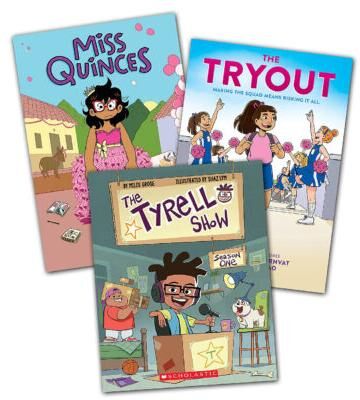
Scholastic Favorite Read Alouds (Ages 7-10)These stories full of action and adventure are sure to be read aloud favorites.This set includes:Spider-Ham: Hollywood May-HamThe Inflatables in Bad Air Day (The Inflatables #1)The Super Cup Face-Off (Geronimo Stilton #81) Favorite Read Alouds (Ages...20,36 $*Shipping: 0,00 $Secure redirect to the provider
-
What can I do if I have severe pain in my jaw and chin after getting a dental crown?
If you are experiencing severe pain in your jaw and chin after getting a dental crown, it is important to contact your dentist as soon as possible. This could be a sign of an underlying issue such as an improper fit, nerve damage, or infection. Your dentist will be able to assess the situation and provide appropriate treatment, which may include adjusting the crown, prescribing pain medication, or addressing any underlying dental problems. In the meantime, you can try using over-the-counter pain relievers and applying ice packs to the affected area to help alleviate the discomfort. **
-
Are the mouth, jaw, and nose crooked?
Without a specific context or reference, it is difficult to determine if the mouth, jaw, and nose are crooked. Crookedness in these facial features can be caused by a variety of factors such as genetics, injury, or developmental issues. If someone is concerned about the alignment of their facial features, it is best to consult with a medical professional for an accurate assessment and potential treatment options. **
-
What causes a receding chin due to a jaw misalignment?
A receding chin due to a jaw misalignment is often caused by a condition known as retrognathia, where the lower jaw is positioned further back than the upper jaw. This misalignment can be the result of genetics, abnormal growth patterns during development, or trauma to the jaw. In some cases, habits like thumb-sucking or prolonged bottle-feeding can also contribute to the development of a receding chin. Treatment options may include orthodontic interventions, jaw surgery, or orthognathic surgery to correct the misalignment and improve the appearance of the chin. **
-
Do I have a jaw misalignment or a receding chin?
It is important to consult with a healthcare professional, such as a dentist or orthodontist, to accurately diagnose whether you have a jaw misalignment or a receding chin. They will be able to assess your specific symptoms, examine your jaw and facial structure, and recommend appropriate treatment options. Jaw misalignment typically involves issues with the positioning of the upper and lower jaws, while a receding chin refers to a smaller or less prominent chin compared to the rest of the face. **
* All prices are inclusive of VAT and, if applicable, plus shipping costs. The offer information is based on the details provided by the respective shop and is updated through automated processes. Real-time updates do not occur, so deviations can occur in individual cases. ** Note: Parts of this content were created by AI.